Screener Morning Brief: Macro, News, Fundamentals, And Market Setup (2026-07-03)
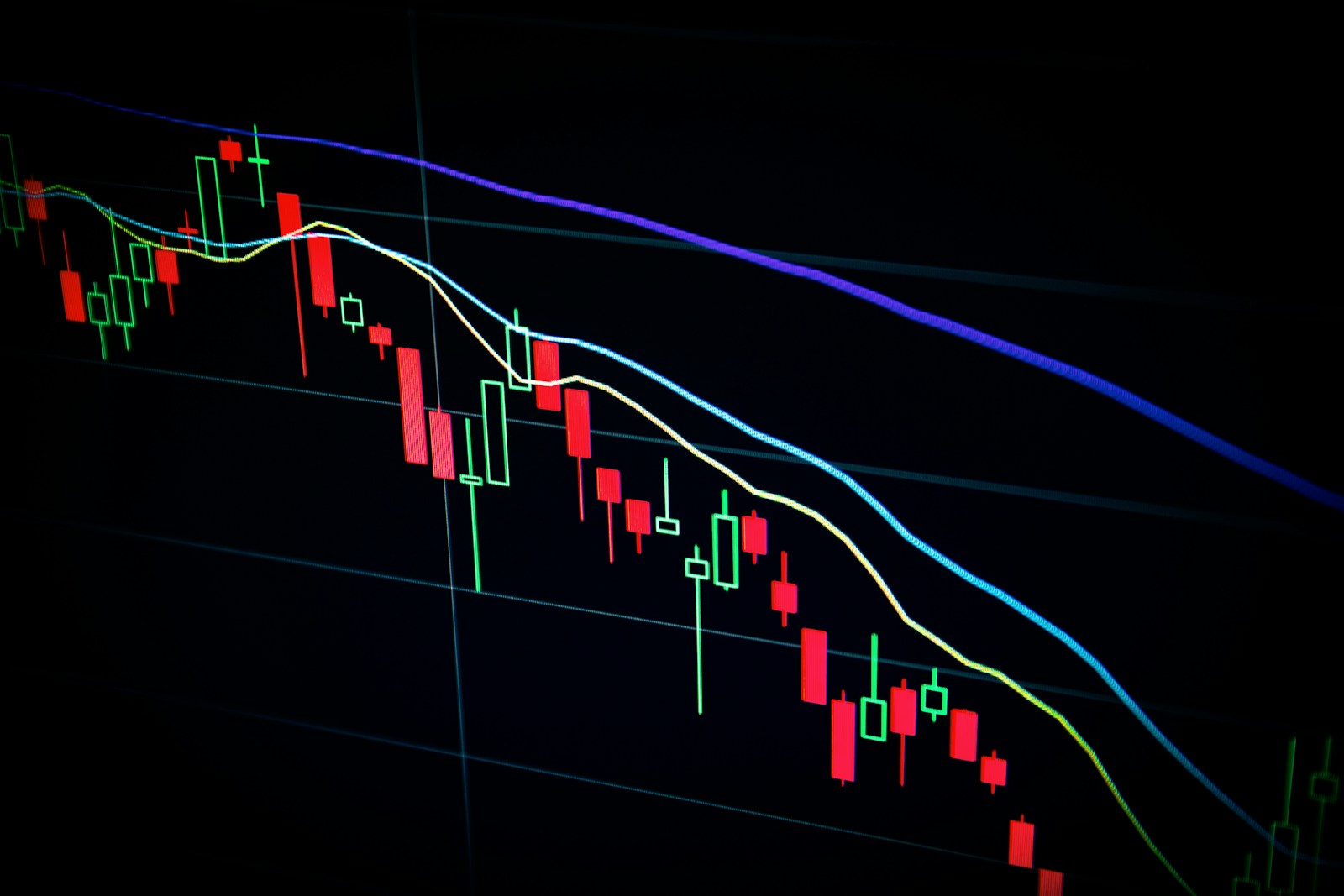
Screener Morning Brief: Macro, News, Fundamentals, And Market Setup (2026-07-03)
Today is July 3, 2026. You and I are shoulder to shoulder at the opening bell, feet grounding on a concrete floor of futures. The screen glows with the same tenacity as the trading floor of yesteryear—ticker tape whispers, price ladders flash, and a chorus of algorithms hums in the background. The S&P 500 futures drift, a lazy tiger waiting for the signal to pounce. The NASDAQ is a chorus of green and red, while small caps twitch with a stubborn resilience that hints at a wider narrative: the macro backdrop remains the dominant drumbeat, and the market is parsing every note for what comes next. A brisk air of anticipation settles over the hall as liquidity pools look for direction and risk appetites posture for the next move.
Macro snapshot: the macro narrative in one breath
- Fed Funds: 3.63% (as of 2026-06-01). The central bank stance remains a careful balancing act—not too hot, not too cool. The path of policy remains data-dependent, with the inflation beat and employment momentum guiding the pace of any further adjustments.
- Unemployment: 4.2% (as of 2026-06-01). Labor market tightness persists, and wage dynamics are a core variable for the next leg of policy and earnings power across sectors.
- CPI: 333.979 (May 2026). Inflation measures show a measured deceleration in core components, but the dispersion across goods and services remains an area of focus for pricing power across tech and cyclical names.
- 10-Year Treasury: 4.48% (as of 2026-07-01). Yield dynamics continue to influence discount rates, risk premia, and equity sector rotations—value and cyclicals often respond with more sensitivity to breaks in yield compression or shifts in term premium.
- Job Openings: 7,594 (May 2026). The vacancy pipeline remains robust, signaling resilience in demand across services and enterprise-facing sectors, even as supply constraints show gradual improvement in some pockets.
Taken together, the macro tapestry still favors selective risk-taking: rate expectations remain anchored, inflation is not fully stubborn, and labor demand provides a backdrop for earnings visibility. The question is where the earnings cycle aligns with valuation, and where the market pricing is discounting a higher probability of cyclical reacceleration versus a plateau in growth.
Market breadth and the price action in focus: what the charts are whispering
- SPY (State Street SPDR S&P 500 ETF): price 744.78, 1-month change -1.69%. The broad market feels like a cautious walk through a supply-constrained corridor. Sector leadership is not obvious; defensives and a few mega-cap beneficiaries hold the line while some cyclicals lag. Watch for a breakout above key resistance to confirm a broader risk-on impulse.
- IWM (iShares Russell 2000): price 297.58, 1-month change +2.27%. Small caps showing resilience as expectations for domestic demand and capex pickup stabilizes. Relative outperformance here would be a telling signal that risk appetite is broadening beyond mega-cap tech and mega-cap banks.
- NVDA (NVIDIA): price 194.83, 1-month change -12.46%; market cap around $4.72 trillion; forward P/E ~15.26; revenue growth ~0.85x; profit margin ~63%. Recommendation: strong_buy. The setup remains nuanced: near-term volatility but long-run earnings power remains compelling if AI-driven cycles persist. Use dips to gauge persistence of AI-driven demand and supply chain resilience.
- JPM (JP Morgan Chase): price 334.47, 1-month change +11.13%; forward P/E ~14.07; revenue growth ~12.7%; profit margin ~33.9%. Recommendation: buy. Banks are translating balance sheet strength into earnings leverage; watch credit metrics and capital efficiency as a barometer for the next leg of financials rotation.
- XOM (Exxon Mobil): price 137.09, 1-month change -8.34%; forward P/E ~12.71; revenue growth ~2.6%; profit margin ~7.8%. Recommendation: buy. The energy complex remains a relative anchor as cash flow generation stands out amid commodity price stability and capex discipline. Watching for any tilt in energy demand signals from air travel and industrial activity could predicate further upside in XOM inside a volatile macro regime.
- XLK (Tech Select Sector SPDR): price 180.59, 1-month change -8.78%. The technology tilt remains under pressure on valuation normalization and mixed demand signals across hyperscalers. The chart needs a sustained tilt back to leadership to reestablish momentum in the sector as a whole.
News flow: catalysts and headlines shaping today’s moves
- SPY headlines: ETF Zoo: Mid-Year Check-In—the AI trade that won’t quit. The narrative around AI exposure remains a macro-driven catalyst, with potential spillovers into tech and backbone sectors as investors reassess downstream beneficiaries and risks.
- Fees and yield considerations: SPYI’s 0.68% fee could cost thousands over 20 years. Fee discipline remains a core drag on long-hold performance for cost-conscious investors, especially in a secularly compound-friendly market.
- Dividends and timing: The 41-day dividend trap that quietly erodes SPY returns every quarter. Cash-flow timing and dividend sequencing are material considerations for risk-managed income strategies, particularly in a regime of rising rates.
- IWM cues: IWO vs. IWM—best gateway to small-cap exposure? If small-cap breadth improves, IWM could regain leadership power, aided by domestic demand growth and inventory normalization.
- Fed rhetoric: Warsh commentary: the one thing about inflation every investor wanted to hear. Any nod toward inflation persistence or mere transitory dynamics can tilt rate expectations and sector rotations in the near term.
- Earnings previews: Q2 earnings season nears kickoff; banks focusing on credit metrics and capital efficiency, while tech faces scrutiny on AI-driven profitability and demand durability.
- Energy signals: U.S. refiners running hard; gas prices and energy demand signals continue to influence XOM and the energy complex as a whole.
Fundamentals: what the numbers are telling you today
- NVIDIA (NVDA) — forward P/E around 15.3; revenue growth 0.85x; profit margin ~63%. Catalysts include AI deployment milestones, enterprise adoption curves, and data-center capex cycles. Risk includes valuation compression if AI profitability expectations temper and if supply constraints in semiconductors persist.
- JPM — forward P/E ~14.1; revenue growth ~12.7%; profit margin ~34%. Fintech and consumer banking strength support earnings power, but macro credit cycles and loan-loss reserves will be watchpoints for the next quarter. Favorable risk-adjusted return if balance sheet discipline persists.
- XOM — forward P/E ~12.7; revenue growth ~2.6%; profit margin ~7.8%. Cash flow-driven story with buy-the-dip potential in energy equities if global demand holds. Watch for capex discipline and free cash flow sustainability in a fluctuating oil price environment.
- SPY — broad market proxy with mixed 1-month performance. The ETF’s performance hinges on breadth: how many sectors participate in the rebound? Price-to-earnings context is less meaningful in aggregate when leadership is idiosyncratic across mega-cap tech, financials, and energy names.
- IWM — small-cap breadth as a sentiment proxy. If the domestic demand story broadens and capex signs strengthen, IWM could outperform again, signaling a healthier risk-on cycle that includes small and mid-cap exposure.
- XLK — tech sector weighting remains under pressure as investors reassess AI-driven valuation premia and growth sustainability. Any sign of stabilizing earnings per share growth would be constructive for XLK in the medium term.
Market setup: positioning for the coming sessions
- Anchors to watch: 10-year yields holding in the 4.4%–4.6% band, CPI showing cooling tendencies, unemployment stable near 4.2%. A balance of growth durability and inflation resilience will define the range for risk appetite today.
- Sector rotation cues: Banks (JPM) showing resilience vs. mega-cap tech (NVDA, XLK) softening. Energy (XOM) remains a value anchor with cash-flow visibility. Small caps (IWM) could lead if domestic demand improves and capex aligns with stabilization in the supply chain.
- Risk management: For swing traders, focus on support levels in SPY near a critical consolidation zone and monitor 1-2% intraday drift triggers for hedging opportunities. For longer-term holders, evaluate dividend streams vs. price appreciation risk under ongoing rate normalization cycles.
- Trade ideas under current regime: tilt toward JPM for earnings leverage exposure and XOM for cash-flow resilience in a potentially volatile macro backdrop; consider IWM on signal of improving breadth; approach NVDA with disciplined risk controls given recent drawdown and elevated volatility.
Narrative threads: connecting macro, micro, and market setup
The macro backdrop is a careful equilibrium of rate expectations, inflation progression, and labor market resilience. The data points—Fed Funds at 3.63%, unemployment at 4.2%, CPI at 333.979, 10-year at 4.48%, and job openings at 7,594—tell a story of moderation rather than acceleration. In such an environment, the market tends to reward steady earnings power and balance sheet strength, while punishing outsized leverage or inflation surprises that force hawkish recalibrations.
From a sectoral perspective, leadership is bifurcated. The AI-driven beneficiaries in AI hardware and enterprise software navigate volatile sentiment, while financials show where the balance sheet is translating into real earnings. Energy offers a classic counterweight: cash flow and dividend resilience amid macro caution. The rest of the market—technology in particular—awaits a catalyst that can convincingly re-accelerate growth narratives and justify higher multiple expansions. Until then, breadth remains the true test of market health: does the rally have staying power across sectors and stocks, or is it a narrow tilt supported by a few large names?
Takeaways: practical implications for today
- Risk posture: Maintain tactical neutrality with a bias toward name-by-name strength, favoring JPM and XOM for cash flow and balance sheet resilience; manage NVDA exposure with hedges or defined-risk entries due to elevated volatility.
- Positioning: Consider IWM exposure to capture potential breadth expansion; be selective in XLK given current multiple compression and mixed near-term catalysts.
- Macro sensitivity: Yield trajectory and inflation signals will drive near-term swings. A break above key levels could unlock more constructive risk-on behavior; a break below could widen risk-off skews.
- Earnings read-through: Q2 macro banks and tech earnings will shape the tone for the next wave of rotations. Watch for credit metrics, capital markets activity, and AI-related gross margin dynamics as the telltale signs of sustainability.
Closing scene: eyes on the tape, feet ready for the next tick
The market has a quiet strength today. It asks you to choose between the comfort of traditional value and the lure of disruptive growth, between the steady drumbeat of cash flow and the electric pulse of AI-infused profit cycles. You walk the line with a careful eye on the macro compass, a steady hand on your risk controls, and a mind tuned to the subtle shifts in breadth that presage the next leg of the journey. The tape keeps whispering—let the data lead, but let your judgment steer—until the next headline nudges the direction and the next quarterly print confirms the path.
Morning brief — Screener — 2026-07-03
What Deserves Your Attention Now
- NVDA is the pressure point: 194.83 with a 1M move of -12.46%.
- SPY valuation check: forward P/E n/a, profit margin n/a, recommendation n/a.
- Rates: Fed Funds 3.63; 10Y Treasury 4.48. Duration-sensitive trades need confirmation.
- Labor: unemployment at 4.2; watch whether risk assets treat it as cooling pressure or demand risk.
- SPY: ETF Zoo: Mid-Year Check-In the AI Trade That Won’t Quit
- SPY: SPYI’s 0.68% Fee Could Cost You Thousands Over 20 Years—Here’s Why
The Morning Scene
The screen does not open with a thesis. It opens with pressure. SPY sits near 744.78, after a one-month move of -1.69%, and that single line already asks the question every serious reader has to answer: is this strength, exhaustion, or just a crowded trade looking for a reason to keep moving?
You do not need a dramatic forecast to read the morning well. You need a clean sequence. First, see where money is flowing. Then test whether earnings power, balance-sheet quality, valuation, and macro conditions support that flow. If the story is good but the numbers are not, be patient. If the numbers are strong but the tape is breaking, respect the market's warning.
- SPY: price 744.78, 1M -1.69%, forward P/E n/a, margin n/a.
- IWM: price 297.58, 1M 2.27%, forward P/E n/a, margin n/a.
- NVDA: price 194.83, 1M -12.46%, forward P/E 15.26351, margin 0.62966.
- JPM: price 334.47, 1M 11.13%, forward P/E 14.071584, margin 0.33936.
- XOM: price 137.09, 1M -8.34%, forward P/E 12.713471, margin 0.077649996.
- XLK: price 180.59, 1M -8.78%, forward P/E n/a, margin n/a.
The Trade Setup To Watch
Here is the part that matters before the market narrative gets too polished: the setup only becomes attractive when price, news, and macro pressure point in the same direction. A headline can make oil look like a buy for one session; a sustained move needs demand, inventory, currency, and energy-equity confirmation.
- Oil / energy: XOM looks early, not confirmed with a 1M move of -8.34%. A tactical long setup improves if crude/energy closes above the prior week's high and China/global demand headlines stop deteriorating. Step back if the dollar spikes or oil gives back the breakout.
- Risk assets: SPY is the temperature check at 744.78, 1M -1.69%. Buy-the-dip behavior is more credible if yields stop rising and the index holds its 20-day trend; failed bounces argue for cash or smaller size.
- Rates trade: with Fed Funds near 3.63 and the 10Y near 4.48, long-duration equities need lower yields to keep expanding multiples. If the 10Y pushes higher, favor cash-flow names over long-story names.
- NVDA trigger: keep it on the active list only if price strength is confirmed by fundamentals or fresh headlines. A big 1M move without better margins, guidance, or demand usually becomes a chase-risk setup.
The Macro Weather
Rates are the weather system above the whole market. They decide how much investors pay for distant growth, how forgiving they are toward leverage, and how quickly they rotate when a company misses. A business can sound healthy and still trade poorly when the macro backdrop raises the cost of waiting.
- Fed Funds: 3.63 as of 2026-06-01
- Unemployment: 4.2 as of 2026-06-01
- CPI: 333.979 as of 2026-05-01
- 10Y Treasury: 4.48 as of 2026-07-01
- Job Openings: 7594.0 as of 2026-05-01
What The Headlines Are Really Asking
A headline is rarely the answer. It is usually the first clue. The useful question is whether the headline changes revenue, margins, capital costs, regulation, liquidity, or investor positioning. If it changes none of those, it may still move price for a few hours, but it has not earned a place in the thesis.
- SPY: ETF Zoo: Mid-Year Check-In the AI Trade That Won’t Quit
- SPY: SPYI’s 0.68% Fee Could Cost You Thousands Over 20 Years—Here’s Why
- SPY: The 41-Day Dividend Trap That Quietly Erodes SPY Returns Every Quarter
- IWM: IWO vs. IWM: What's the Best Way to Buy Small-Cap Stocks?
- IWM: “Diversification Means Always Having to Say You’re Sorry"
- IWM: Fed Chair Warsh Just Said the One Thing About Inflation Every Investor Wanted to Hear
- NVDA: Palantir stock jumps on analyst upgrade 'as profits have soared'
- NVDA: Alphabet and Ferrari Both Turned $1,000 Into Over $10,000 in a Decade but Diverged Sharply This Year
The Bull Case
The bullish path is simple: SPY holds recent strength, headlines keep improving, and the macro tape stops fighting the move. In that version, a pullback toward support is more interesting than a chase at the highs because the risk/reward is easier to define. On 2026-07-03, the Screener read should feel practical: bullish if price confirms and the news improves; cautious if the move depends on one headline; bearish if macro pressure gets worse while the chart loses support. The strongest setup is not the loudest story. It is the one where the ticker, the numbers, and the macro backdrop all point in the same direction.
The bearish path starts when SPY cannot hold gains after good news. That kind of failure says positioning may already be crowded. If rates rise, the dollar strengthens, or earnings quality weakens, the setup turns from opportunity into trap. On 2026-07-03, the Screener read should feel practical: bullish if price confirms and the news improves; cautious if the move depends on one headline; bearish if macro pressure gets worse while the chart loses support. The strongest setup is not the loudest story. It is the one where the ticker, the numbers, and the macro backdrop all point in the same direction.
A useful trigger is visible before the story feels comfortable. Look for a close above the prior week's high, improving volume, and at least one confirming fundamental or macro datapoint. Without confirmation, the cleaner trade is to wait. On 2026-07-03, the Screener read should feel practical: bullish if price confirms and the news improves; cautious if the move depends on one headline; bearish if macro pressure gets worse while the chart loses support. The strongest setup is not the loudest story. It is the one where the ticker, the numbers, and the macro backdrop all point in the same direction.
The invalidation point should be blunt. If the asset loses support, if the headline is reversed, if guidance weakens, or if the macro driver flips, the setup no longer deserves the same attention. A good thesis is allowed to die quickly. On 2026-07-03, the Screener read should feel practical: bullish if price confirms and the news improves; cautious if the move depends on one headline; bearish if macro pressure gets worse while the chart loses support. The strongest setup is not the loudest story. It is the one where the ticker, the numbers, and the macro backdrop all point in the same direction.
The most interesting trades usually sit between fear and confirmation. If everybody already agrees, the price may have moved too far. If nobody agrees but the numbers are quietly improving, that is where the watchlist earns its keep. On 2026-07-03, the Screener read should feel practical: bullish if price confirms and the news improves; cautious if the move depends on one headline; bearish if macro pressure gets worse while the chart loses support. The strongest setup is not the loudest story. It is the one where the ticker, the numbers, and the macro backdrop all point in the same direction.
The bullish path is simple: SPY holds recent strength, headlines keep improving, and the macro tape stops fighting the move. In that version, a pullback toward support is more interesting than a chase at the highs because the risk/reward is easier to define. On 2026-07-03, the Screener read should feel practical: bullish if price confirms and the news improves; cautious if the move depends on one headline; bearish if macro pressure gets worse while the chart loses support. The strongest setup is not the loudest story. It is the one where the ticker, the numbers, and the macro backdrop all point in the same direction.
The bearish path starts when SPY cannot hold gains after good news. That kind of failure says positioning may already be crowded. If rates rise, the dollar strengthens, or earnings quality weakens, the setup turns from opportunity into trap. On 2026-07-03, the Screener read should feel practical: bullish if price confirms and the news improves; cautious if the move depends on one headline; bearish if macro pressure gets worse while the chart loses support. The strongest setup is not the loudest story. It is the one where the ticker, the numbers, and the macro backdrop all point in the same direction.
A useful trigger is visible before the story feels comfortable. Look for a close above the prior week's high, improving volume, and at least one confirming fundamental or macro datapoint. Without confirmation, the cleaner trade is to wait. On 2026-07-03, the Screener read should feel practical: bullish if price confirms and the news improves; cautious if the move depends on one headline; bearish if macro pressure gets worse while the chart loses support. The strongest setup is not the loudest story. It is the one where the ticker, the numbers, and the macro backdrop all point in the same direction.
The Invalidation
The invalidation point should be blunt. If the asset loses support, if the headline is reversed, if guidance weakens, or if the macro driver flips, the setup no longer deserves the same attention. A good thesis is allowed to die quickly. On 2026-07-03, the Screener read should feel practical: bullish if price confirms and the news improves; cautious if the move depends on one headline; bearish if macro pressure gets worse while the chart loses support. The strongest setup is not the loudest story. It is the one where the ticker, the numbers, and the macro backdrop all point in the same direction.
The most interesting trades usually sit between fear and confirmation. If everybody already agrees, the price may have moved too far. If nobody agrees but the numbers are quietly improving, that is where the watchlist earns its keep. On 2026-07-03, the Screener read should feel practical: bullish if price confirms and the news improves; cautious if the move depends on one headline; bearish if macro pressure gets worse while the chart loses support. The strongest setup is not the loudest story. It is the one where the ticker, the numbers, and the macro backdrop all point in the same direction.
The bullish path is simple: SPY holds recent strength, headlines keep improving, and the macro tape stops fighting the move. In that version, a pullback toward support is more interesting than a chase at the highs because the risk/reward is easier to define. On 2026-07-03, the Screener read should feel practical: bullish if price confirms and the news improves; cautious if the move depends on one headline; bearish if macro pressure gets worse while the chart loses support. The strongest setup is not the loudest story. It is the one where the ticker, the numbers, and the macro backdrop all point in the same direction.
The bearish path starts when SPY cannot hold gains after good news. That kind of failure says positioning may already be crowded. If rates rise, the dollar strengthens, or earnings quality weakens, the setup turns from opportunity into trap. On 2026-07-03, the Screener read should feel practical: bullish if price confirms and the news improves; cautious if the move depends on one headline; bearish if macro pressure gets worse while the chart loses support. The strongest setup is not the loudest story. It is the one where the ticker, the numbers, and the macro backdrop all point in the same direction.
A useful trigger is visible before the story feels comfortable. Look for a close above the prior week's high, improving volume, and at least one confirming fundamental or macro datapoint. Without confirmation, the cleaner trade is to wait. On 2026-07-03, the Screener read should feel practical: bullish if price confirms and the news improves; cautious if the move depends on one headline; bearish if macro pressure gets worse while the chart loses support. The strongest setup is not the loudest story. It is the one where the ticker, the numbers, and the macro backdrop all point in the same direction.
The invalidation point should be blunt. If the asset loses support, if the headline is reversed, if guidance weakens, or if the macro driver flips, the setup no longer deserves the same attention. A good thesis is allowed to die quickly. On 2026-07-03, the Screener read should feel practical: bullish if price confirms and the news improves; cautious if the move depends on one headline; bearish if macro pressure gets worse while the chart loses support. The strongest setup is not the loudest story. It is the one where the ticker, the numbers, and the macro backdrop all point in the same direction.
The most interesting trades usually sit between fear and confirmation. If everybody already agrees, the price may have moved too far. If nobody agrees but the numbers are quietly improving, that is where the watchlist earns its keep. On 2026-07-03, the Screener read should feel practical: bullish if price confirms and the news improves; cautious if the move depends on one headline; bearish if macro pressure gets worse while the chart loses support. The strongest setup is not the loudest story. It is the one where the ticker, the numbers, and the macro backdrop all point in the same direction.
The bullish path is simple: SPY holds recent strength, headlines keep improving, and the macro tape stops fighting the move. In that version, a pullback toward support is more interesting than a chase at the highs because the risk/reward is easier to define. On 2026-07-03, the Screener read should feel practical: bullish if price confirms and the news improves; cautious if the move depends on one headline; bearish if macro pressure gets worse while the chart loses support. The strongest setup is not the loudest story. It is the one where the ticker, the numbers, and the macro backdrop all point in the same direction.
The Bear Case
The bearish path starts when SPY cannot hold gains after good news. That kind of failure says positioning may already be crowded. If rates rise, the dollar strengthens, or earnings quality weakens, the setup turns from opportunity into trap. On 2026-07-03, the Screener read should feel practical: bullish if price confirms and the news improves; cautious if the move depends on one headline; bearish if macro pressure gets worse while the chart loses support. The strongest setup is not the loudest story. It is the one where the ticker, the numbers, and the macro backdrop all point in the same direction.
A useful trigger is visible before the story feels comfortable. Look for a close above the prior week's high, improving volume, and at least one confirming fundamental or macro datapoint. Without confirmation, the cleaner trade is to wait. On 2026-07-03, the Screener read should feel practical: bullish if price confirms and the news improves; cautious if the move depends on one headline; bearish if macro pressure gets worse while the chart loses support. The strongest setup is not the loudest story. It is the one where the ticker, the numbers, and the macro backdrop all point in the same direction.